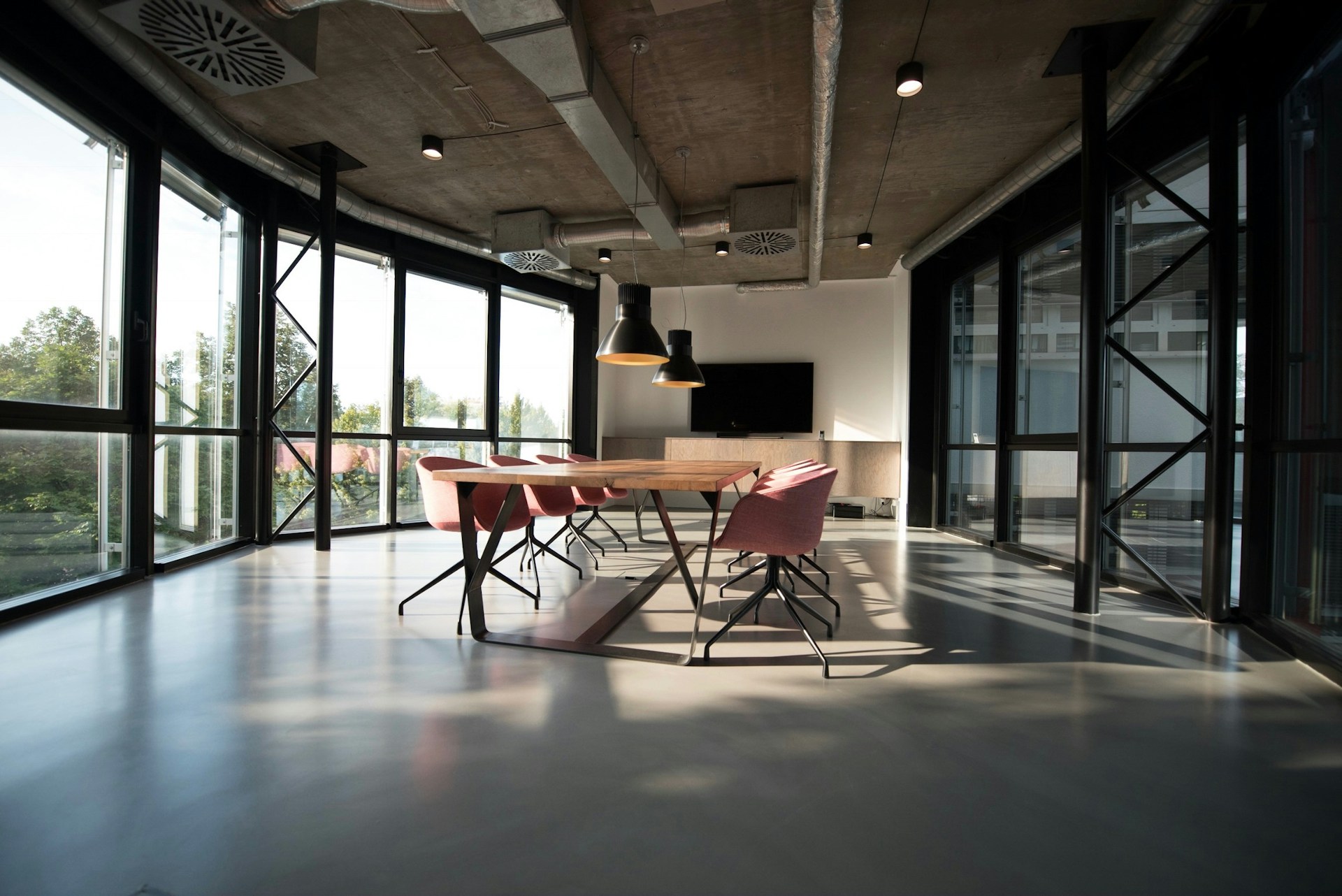
Town‑centre co‑working office space has become one of the UK’s most significant commercial property trends of the past decade. As small businesses, freelancers, and start‑ups increasingly reject the burden of long leases and high overheads, flexible workspace has emerged as a practical, cost‑effective alternative. What began as a niche concept in major cities has now become a defining feature of high streets and market towns across the country, from Altrincham and Wilmslow to Bristol, Leeds, and Edinburgh.
The shift reflects a broader change in how people want to work: local, flexible, collaborative, and without the financial strain associated with traditional office rentals. Co‑working spaces offer professional environments without tying businesses to multi‑year commitments, making them ideal for entrepreneurs who value agility.
Why Co‑Working Is Flourishing in Town Centres
The appeal of co‑working lies in its simplicity. Instead of committing to expensive commercial leases, small businesses can access modern, well‑equipped offices on flexible terms. This model suits organisations that want to scale up or down quickly, avoid capital expenditure, and remain close to their customer base.
Several factors have driven the rise of town‑centre co‑working:
- Flexibility: Month‑to‑month memberships allow businesses to adapt without penalty. This is particularly valuable for early‑stage companies still finding their footing.
- Cost efficiency: Co‑working eliminates the need for long leases, business rates, maintenance costs, and fit‑out expenses. Everything from utilities to cleaning is included.
- Local convenience: Town‑centre locations reduce commuting time and support a better work‑life balance. They also help revitalise high streets by increasing footfall.
- Community and collaboration: Shared spaces encourage networking, partnerships, and knowledge exchange, creating an ecosystem where small businesses can thrive.
Altrincham: A Leading Example of Co‑Working Growth
Altrincham has become a standout example of how co‑working can transform a town centre. Once known primarily for its retail offering, the town now hosts several high‑quality flexible workspaces that cater to entrepreneurs, digital agencies, consultants, and remote workers.
- Altspace: One of the town’s longest‑established co‑working hubs, Altspace offers hot‑desking, dedicated desks, meeting rooms, and community events. Its central location near the transport interchange makes it ideal for commuters.
- WorkSmart Hub: Positioned close to Stamford Quarter, WorkSmart provides modern private offices and collaborative areas designed for small teams and growing businesses.
These spaces have contributed to Altrincham’s reputation as a thriving business community, attracting professionals who want the benefits of Manchester connectivity without the cost of city‑centre rents.
Cheshire: A County Embracing Flexible Workspace
Across Cheshire, co‑working has become a key part of the commercial landscape. Towns such as Wilmslow, Knutsford, and Macclesfield have seen a surge in demand from small businesses seeking professional environments without long‑term commitments.
- The Colony in Wilmslow: A premium workspace offering private offices, meeting rooms, and event facilities. It attracts consultants, finance professionals, and creative businesses.
- Regus Macclesfield: Part of a national network, Regus provides flexible office solutions for freelancers and SMEs who want corporate‑grade facilities in a local setting.
- The Hatch in Warrington: A creative co‑working environment designed for start‑ups, digital businesses, and remote workers seeking a collaborative atmosphere.
These hubs demonstrate how co‑working is no longer confined to major cities. Cheshire’s towns have embraced the model, recognising its value in supporting local enterprise and encouraging business growth.
A Nationwide Movement
The rise of co‑working is not limited to the North West. Across the UK, town‑centre flexible workspaces have become essential infrastructure for modern business.
Examples include:
- Engine Shed in Bristol: A technology‑focused hub supporting start‑ups and scale‑ups.
- Platform in Leeds: A workspace that blends co‑working with innovation labs and business support services.
- CodeBase in Edinburgh: One of the UK’s largest tech incubators, offering flexible space for digital and creative companies.
These locations highlight a national trend: co‑working is now a mainstream choice for businesses that value flexibility, affordability, and community.
How Co‑Working Supports Small Business Growth
For small businesses, co‑working offers more than just a desk. It provides an environment designed to help them succeed.
| Feature | Benefit to Small Businesses |
|---|---|
| Flexible contracts | No long leases or financial risk |
| Shared amenities | Access to meeting rooms, breakout areas, and technology |
| Networking opportunities | Collaboration with other professionals |
| Town‑centre locations | Easy access for clients and staff |
Co‑working spaces also support hybrid working models, allowing businesses to maintain a professional presence without committing to full‑time office occupancy.
The Future of Town‑Centre Co‑Working
As more businesses adopt flexible working practices, demand for co‑working is expected to grow. Town centres will continue to benefit from increased footfall, greater economic activity, and a more diverse mix of businesses.
Co‑working is no longer a trend; it is a fundamental shift in how small businesses operate. By offering flexibility, affordability, and community, town‑centre workspaces are reshaping the UK’s commercial landscape and empowering entrepreneurs to build sustainable, adaptable businesses.